

Paper vs Vinyl Stickers – Which Is Right for Your Client’s Campaign?
Choosing between paper and vinyl stickers depends on more than just appearance. Both materials offer different benefits and selecting the right one can make a significant difference to the finished product.
From product packaging and promotional giveaways to window graphics and outdoor branding, stickers are a versatile way to communicate a message. However, factors such as durability, moisture resistance, cost and intended use all play a part in determining which material is most suitable.
In this guide, we explore the key differences between paper and vinyl stickers, their advantages and the applications they’re best suited to.
What Are Paper Stickers?
Paper stickers are made from paper-based materials with an adhesive backing. They are widely used for product labelling, packaging, promotional giveaways and other indoor applications.
One of their main advantages is affordability. Standard paper stickers are generally more economical than vinyl alternatives, making them a practical choice for large promotional campaigns or projects where keeping costs down is important.
Paper stickers are also available in a variety of materials and finishes, offering flexibility when choosing the right product for a particular application.
For businesses prioritising sustainability, there are several alternatives to conventional paper stickers, including recycled, recyclable and biodegradable paper options. Each has different environmental characteristics, so choosing the most appropriate material depends on the intended use and disposal requirements.
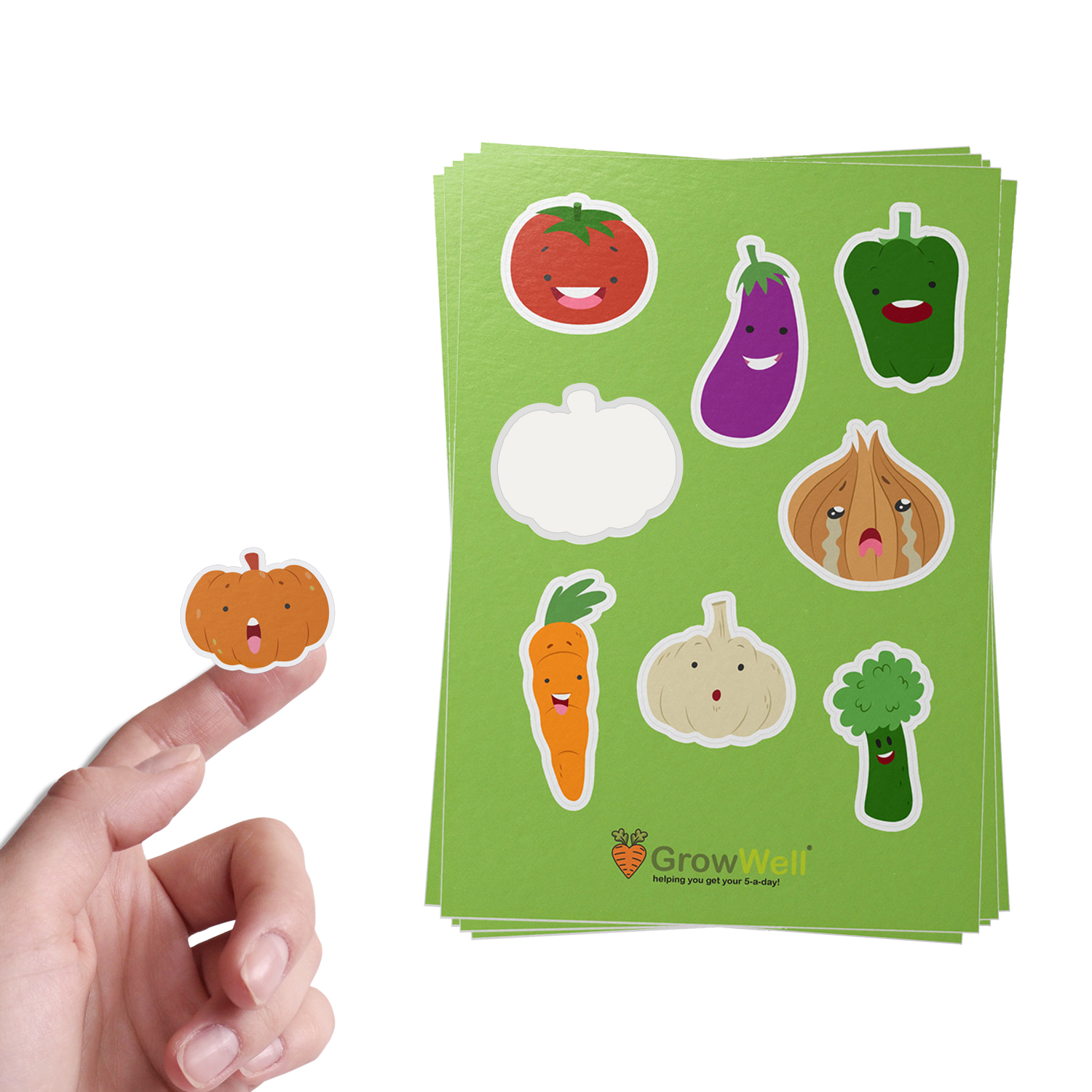
Advantages of Paper Stickers
- Generally, more cost-effective than vinyl stickers
- Ideal for indoor promotions, packaging and product labelling
- Available in a variety of finishes, including metallic foil
- Recycled, recyclable and biodegradable material options available
- Suitable for individual stickers, sheets and specialist roll applications
Limitations of Paper Stickers
Standard paper stickers are less durable than vinyl and can be susceptible to tearing, wrinkling and moisture damage.
They are generally not recommended for outdoor use or applications involving regular exposure to water. However, specialist paper stickers are available for more demanding environments, including freezer-grade labels designed for low-temperature applications.
For short-term indoor promotions, packaging and general labelling, paper stickers remain a versatile and economical choice.
What Are Vinyl Stickers?
Vinyl stickers are typically made from polyvinyl chloride (PVC), a flexible synthetic material known for its durability and resistance to moisture.
Compared with standard paper stickers, vinyl generally performs better in environments where exposure to water, sunlight and everyday handling is expected.
This makes vinyl a popular choice for outdoor advertising, window graphics, promotional branding and applications where stickers need to remain in place for extended periods.
Vinyl is also flexible, allowing it to conform to certain curved surfaces without cracking. Depending on the material, adhesive and finish, vinyl stickers can be designed for either temporary or long-term applications.
Advantages of Vinyl Stickers
- Greater durability than standard paper stickers
- Suitable for indoor and outdoor applications
- Good resistance to moisture and everyday wear
- Flexible enough for many curved surfaces
- Available with specialist adhesives, finishes and material properties
- Suitable for applications requiring longer-lasting branding
Limitations of Vinyl Stickers
Vinyl stickers are generally more expensive than standard paper alternatives, particularly where specialist materials or finishes are required.
Conventional PVC vinyl also presents environmental challenges, as it is not biodegradable and can be difficult to recycle through standard waste streams.
However, specialist alternatives are available for certain applications, including recyclable PET window stickers.
Paper vs Vinyl Stickers – Key Differences
The following comparison highlights the main differences between standard paper and vinyl stickers.
Feature |
Paper Stickers |
Vinyl Stickers |
|
Durability |
Best suited to general indoor use |
Generally more durable |
|
Water resistance |
Standard paper is vulnerable to moisture |
Generally water-resistant |
|
Outdoor suitability |
Typically unsuitable |
Suitable, depending on specification |
|
Flexibility |
Can tear or wrinkle |
More flexible |
|
Cost |
Generally more economical |
Typically more expensive |
|
Environmental options |
Recycled, recyclable and biodegradable options |
More limited, with specialist alternatives available |
|
Typical applications |
Packaging, general labelling and indoor promotions |
Outdoor advertising, window graphics, promotional branding and longer-term promotions |
Neither material is necessarily better than the other. The most suitable choice depends on how and where the sticker will be used.
Specialist Sticker Materials and Applications
Although paper and vinyl are the two main categories, there are many specialist sticker materials designed to meet specific requirements.
For example, removable Coala vinyl stickers can be applied to surfaces such as laptops and removed without leaving adhesive residue. These are particularly useful for temporary branding and promotional applications.
Self-cling window stickers provide another removable option. Unlike traditional adhesive-backed stickers, they cling to suitable surfaces without adhesive, allowing them to be removed without leaving sticky residue.
For window advertising, double-sided stickers can display printed designs from both sides of the glass, making them particularly useful for retail environments and promotional displays.
Where visibility is important, reflective vinyl offers specialist reflective properties, while foil finishes can create distinctive metallic effects.
For more demanding conditions, marine-grade vinyl stickers are designed for long-term outdoor and underwater use. They offer resistance to scuffs, scratches and salt water, making them suitable for environments where conventional stickers may not provide sufficient durability.
Paper stickers also offer specialist options, including food labels, freezer-grade materials and foil finishes.
Understanding these differences helps ensure the selected sticker performs as intended, rather than simply choosing a material based on appearance or price.
What About Sustainability?
Sustainability is an increasingly important consideration when choosing promotional merchandise, and sticker materials are no exception.
Paper stickers can offer a wider range of environmentally conscious choices, including recycled paper, recyclable paper and biodegradable materials.
However, it’s important to understand that these terms mean different things. A sticker made from recycled material is not necessarily recyclable after use, while biodegradability depends on the materials involved and the conditions in which they break down.
Traditional PVC vinyl is generally less favourable from an environmental perspective, although specialist materials, such as recyclable PET window stickers, provide alternatives for particular applications.
Selecting the most appropriate option involves considering not only the sticker’s material but also its adhesive, finish, intended lifespan and disposal requirements.
Choosing the Right Sticker for a Promotional Campaign
When selecting stickers for a campaign, there are a few practical questions worth considering.
Where will the stickers be used?
For packaging, product labelling and short-term giveaways, standard paper stickers may be perfectly suitable. For outdoor applications or areas exposed to moisture, vinyl is generally a better option.
How long do they need to last?
A temporary promotional label has different requirements from a sticker intended to remain outdoors for several years. The expected lifespan should influence the material and finish selected.
Will the stickers need to be removed?
Removable vinyl and self-cling materials can be particularly useful for temporary promotions where surfaces need to remain free from adhesive residue.
Are there any specialist requirements?
Food labelling, freezer storage, window displays and marine environments can all require materials designed specifically for those conditions.
Is sustainability a priority?
Where environmental considerations are important, recycled, recyclable and biodegradable alternatives may be worth exploring, provided they are suitable for the intended application.
Finding the Right Sticker Solution
Whether the priority is affordability, durability, appearance or environmental considerations, choosing the correct sticker material helps ensure the finished product meets the requirements of the campaign.
At Badger Design, we offer a wide range of custom-printed paper and vinyl stickers, including specialist materials, adhesives and finishes.
From individually cut stickers and kiss-cut sheets to selected products supplied on rolls, our range provides options for a variety of promotional applications.
With 50 years of manufacturing experience and in-house printing capabilities, we work with promotional merchandise suppliers to produce customised sticker products for their clients.
Explore our range of promotional stickers or contact our team to discuss the most suitable option for your next project.